



AI powered product discovery is transforming how people search and shop online. Instead of browsing multiple websites, users are now asking AI tools for direct buying advice and product comparisons. Queries like best budget Android phones with great cameras or best office chairs for back pain are increasingly answered inside AI chat platforms.
For ecommerce brands and SEO professionals, this raises an important question. How are AI systems like ChatGPT generating product recommendations, and what data sources influence which products appear?
Our agency level research and controlled testing show a strong connection between structured shopping data and AI product recommendations. In practical terms, Google Shopping style product visibility is becoming a key factor in AI driven ecommerce discovery.
This SEO focused guide explains the findings and outlines how brands should optimize for AI product search.
AI Product Search Is Changing Ecommerce SEO Strategy
Traditional ecommerce SEO focused on ranking product and category pages in search engine results. While that still matters, AI assisted search introduces a new discovery layer.
Modern ecommerce SEO must now include:
- AI product recommendation visibility
- Shopping feed optimization
- Structured product data accuracy
- Conversational search intent targeting
When users ask AI for product suggestions, the system does not rely only on blog articles and review content. It also appears to reference structured product search patterns similar to shopping engines.
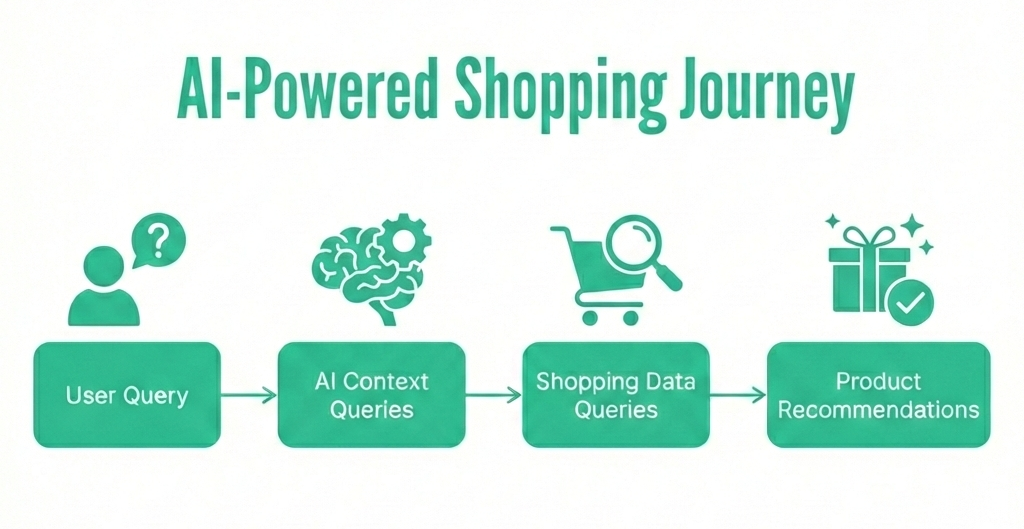
This means ecommerce SEO is no longer just page level optimization. It is also feed level and data level optimization.
Research Method Behind These Findings
Our research team tested how ChatGPT responds to commercial product queries across multiple runs. We analyzed background query behavior and compared product outputs with shopping search results.
Test query types included:
- best budget Android phones with great cameras
- best wireless earbuds under budget
- top ergonomic office chairs
For each case, we reviewed contextual research queries, structured shopping style queries, and the final product recommendation lists. We then compared those with shopping search results for the same keyword patterns.
Repeated testing helped reduce randomness and reveal consistent patterns.
Two Query Layers Behind AI Product Recommendations
AI generated product recommendation answers appear to rely on two types of background queries.
The first is contextual research queries. These support the written buyer guide style explanation. They include informational searches about features, definitions, and comparison criteria. This layer helps generate the educational portion of the response.
The second is shopping focused queries. These follow structured product search keyword patterns similar to shopping engines. When these decoded query patterns are tested in shopping search, the top results often overlap with the products shown in AI recommendations.
This suggests that structured product search ecosystems influence AI product selection.
Google Shopping Visibility Influences AI Product Inclusion
Across repeated prompt testing, we observed frequent overlap between top shopping results and AI recommended products.
Common matching elements included product names, merchant listings, and price ranges. In most test scenarios, at least one top shopping result appeared inside the AI recommendation list.
For ecommerce SEO, this indicates that shopping feed strength is now connected to AI recommendation visibility.
Products that perform well in structured shopping search environments are more likely to appear in AI generated product lists.
Why Structured Product Data Matters for AI SEO
AI systems prefer structured and validated product data sources because they reduce ambiguity and improve confidence.
Structured shopping data provides:
Clear product attributes such as brand, model, and features
Updated pricing and availability signals
Merchant verification indicators
Aggregated rating and review signals
Compared to scattered product mentions across blogs, structured feeds are easier for AI systems to interpret and trust.
This makes product feed optimization a critical part of modern ecommerce SEO.
SEO Best Practices for AI and Shopping Feed Optimization
Ecommerce brands should upgrade their SEO strategy to include product data optimization alongside page optimization.
Use keyword rich product titles that include brand, model, and primary feature terms in natural language. Titles should match real buyer search behavior.
Complete all structured product attributes including category, features, materials, compatibility, and technical specifications. Rich attributes improve matching accuracy.
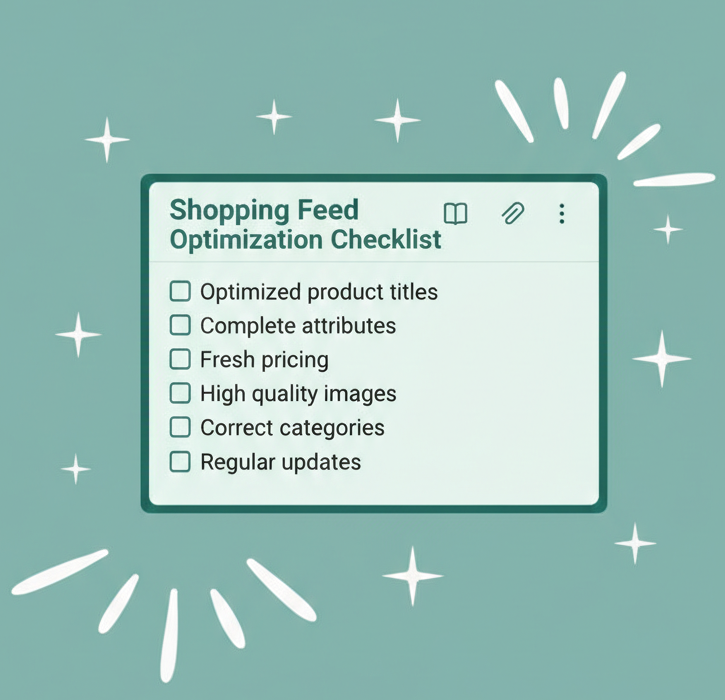
Keep pricing and availability updated through frequent feed refresh cycles. Fresh data improves trust and ranking stability.
Use high quality product images with clear backgrounds and accurate representation. Better visuals improve engagement and listing performance.
Optimize product pages with detailed descriptions, specifications, FAQs, and comparison sections. Target long tail commercial keywords such as best budget android phone with camera and affordable ergonomic office chair.
Content SEO Still Supports AI Product Recommendations
While structured feeds influence product selection, content still supports recommendation context and authority.
Create SEO optimized supporting content such as buying guides, product comparisons, best product lists, and expert reviews. This helps AI systems understand category expertise and product positioning.
The strongest AI ecommerce visibility comes from combining structured product feeds with authoritative SEO content.
Future of AI Driven Ecommerce Discovery
AI assisted shopping and conversational commerce will continue to grow. Product discovery is moving toward chat based experiences and guided recommendations.
SEO will expand beyond webpage ranking into product data readiness and AI discoverability.
Brands that prepare now by optimizing shopping feeds, structured product data, and buyer intent content will gain early advantage in AI driven search results.
Key SEO Takeaway
To improve visibility in AI product recommendations, ecommerce brands must treat shopping feed optimization and structured product data as core SEO priorities.
Focus on accurate product feeds, keyword aligned titles, complete attributes, updated pricing, and strong supporting content. AI driven ecommerce search is growing fast, and early optimization will deliver long term competitive gains.